From Empty Vehicle to Everyday Home: The Practical Truth About Living on Wheels
The decision to build a home on wheels rarely arrives as a dramatic turning point. It usually grows out of quiet dissatisfaction. Rent increases without warning, commutes steal hours, and living spaces fill with things that serve no real purpose. For many people, the idea appears during a period of reassessment. Remote work becomes possible. Family structures change. Priorities shift. A mobile home begins to look less like an escape and more like a practical response to modern pressure.
What often surprises new builders is how little the decision has to do with travel. Most full time dwellers do not move every week. They stay for stretches, work regular hours, and develop routines. The wheels are there for choice, not constant motion. This distinction matters because it shapes every design and budgeting decision that follows. Treating the build as a permanent holiday leads to fragile systems and unrealistic expectations.
A home on wheels is best understood as a compact housing system with mechanical constraints. You are combining architecture, vehicle engineering, and daily living into one object. Ignoring any of these elements creates problems later. People who succeed long term approach the project with a calm mindset. They accept trade offs early and avoid chasing perfection. They design for the average day, not the highlight reel.
Another overlooked aspect is mental adjustment. Downsizing forces decisions about ownership, habits, and identity. Letting go of excess can feel liberating, but it can also feel uncomfortable at first. The build process often mirrors this internal shift. You learn quickly what you actually use and what you only thought you needed. That clarity becomes one of the lasting benefits of the process.
Choosing the Right Base, It Is About Use, Not Style
Selecting the base vehicle sets limits that no amount of clever design can fully overcome. The most common mistake is choosing based on appearance or trend rather than daily use. Vans dominate social media because they look approachable and photograph well. In reality, they suit a specific type of living. Solo occupants and couples who spend time outdoors often thrive in them. People who work long hours inside or live in colder climates face tighter constraints.
Vans offer convenience. They fit in standard parking spaces, attract less attention, and are easier to insure and service. Their weakness is volume. Every system must be compact. Water storage is limited. Headroom can be restrictive. Once you add insulation and furniture, the usable space shrinks further. This forces discipline, which some people enjoy and others find exhausting.
Larger vehicles such as box trucks and step vans change the daily rhythm. Straight walls and higher ceilings allow more conventional layouts. Proper kitchens, showers, and workspaces become realistic. These vehicles suit people who stay put longer and value interior comfort. The trade off is mobility. Parking requires planning. Fuel costs rise. Some urban areas become inaccessible. Ownership feels closer to managing a small building than a car.
Buses and skoolies take this further. They create genuine homes with room for families, studios, or shared living. They also demand mechanical awareness and patience. Licensing, inspections, and repairs become part of life. These builds reward commitment but punish shortcuts.
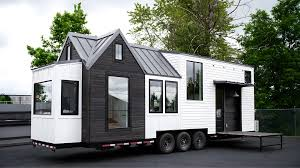
Towable homes sit in a different category. Separating living space from the vehicle offers flexibility for semi static living. You gain interior freedom but lose spontaneity. Each option works when matched honestly to lifestyle rather than aspiration.
Planning Before Building, The Stage Most People Rush
Planning is the least visible part of the build and often the most valuable. Many people rush this stage because it feels unproductive. They want to start cutting wood and installing panels. The cost of skipping planning appears later, usually while driving or during the first cold night.
A moving home behaves differently from a stationary one. Weight distribution affects handling and safety. Heavy items placed too high or too far back strain suspension and brakes. Systems that work perfectly when parked may fail under vibration. Planning involves thinking in three dimensions and over time. You design not just for space, but for motion, maintenance, and failure.
Power planning deserves particular care. Many builds rely heavily on solar without accounting for seasonal variation. In northern climates, winter output drops sharply. Heating, lighting, and electronics still draw power. Without backup charging options, daily life becomes stressful. A realistic plan starts with actual usage patterns rather than optimistic assumptions.
Water and waste systems shape comfort more than most people expect. Limited water changes habits quickly. Showers become shorter. Dishes are washed differently. Toilet choices affect autonomy and maintenance. Planning these systems early avoids invasive changes later.
Climate control is another area where planning saves frustration. Insulation alone does not solve condensation. Ventilation, heating, and material choice must work together. Cold bridges and trapped moisture cause mould and discomfort. Thoughtful design here protects both health and structure.
Budgeting Honestly, Beyond the Build Cost
Budgeting for a home on wheels requires realism rather than optimism. Many people fixate on the build cost and ignore the broader financial picture. The vehicle itself often consumes more than expected, especially when reliability is prioritised. Cheap vehicles frequently hide expensive problems. Inspections and maintenance history matter more than mileage alone.
Build materials appear affordable individually but accumulate quickly. Insulation, wiring, plumbing, fasteners, adhesives, and tools add layers of cost. Mistakes are inevitable, especially for first time builders. Cutting something twice or buying the wrong component happens more often than people admit. Each error costs time and money.
Reclaimed materials can reduce expenses, but they require careful selection. Structural integrity and safety should never be compromised. Saving money on insulation, electrical components, or braking systems often leads to higher costs later.
Ongoing expenses deserve equal attention. Fuel, insurance, servicing, tyres, and repairs continue regardless of how little you move. Campsites, parking fees, and occasional accommodation fill gaps when conditions are poor. Many people also continue upgrading their builds as needs change. A reserve fund reduces stress when the unexpected happens.
Budgeting honestly also means valuing your time. Building takes longer than expected. If you stop working to build, lost income becomes part of the cost. Recognising this early helps set realistic timelines and expectations.
Building It Yourself, What Matters and What Does Not
DIY building appeals because it offers control and savings. It also demands humility. You do not need to be a master craftsperson, but you do need patience and problem solving skills. Understanding how systems work matters more than achieving perfect finishes.
Electrical and gas systems deserve respect. Poor connections cause fires. Inadequate ventilation creates health risks. Many builders choose to outsource these elements or at least seek professional inspection. This decision often saves money in the long run.
Durability should guide material choices. Vibration destroys weak joints and decorative elements. Lightweight materials reduce strain on the vehicle. Simple designs age better than complex ones. Furniture that locks securely prevents damage while driving. In some cases, borrowing ideas from commercial environments, such as using seating built to withstand constant use like restaurant chairs, makes sense because those designs prioritise strength over style.
Accepting imperfection is part of the process. Things will break. Screws loosen. Hinges wear. The goal is not to prevent every issue but to make repairs straightforward. Accessible systems and standard components simplify life on the road.
Building also teaches restraint. Adding features feels productive, but each one adds complexity. Many experienced builders advise stopping earlier than you think. Living in the space reveals what truly matters.
The First Months Living Inside Your Build
The first months expose the truth of your design. Daily routines highlight flaws quickly. Storage that seemed adequate feels awkward. Workspaces feel cramped. Systems that worked in testing behave differently under regular use. This period is not a failure phase, it is a learning phase.
Small annoyances accumulate. Head bumps, awkward door swings, and hard to reach switches affect mood. These details matter more in a small space. Early flexibility allows adjustments without major reconstruction. Builders who leave room for change adapt more easily.
Living in close quarters also affects relationships. Communication becomes essential. Personal space must be respected even when physical space is limited. Many couples and families develop new routines to maintain balance. Quiet time, outdoor breaks, and clear roles help.
Movement changes behaviour. You become aware of weather forecasts, terrain, and noise levels. Water and power use become conscious choices. Planning ahead becomes second nature. Over time, these habits feel normal rather than restrictive.
This period also brings satisfaction. Systems you built yourself support daily life. Repairs feel manageable. The space begins to feel familiar. That sense of ownership often outweighs early frustrations.
Regrets, Lessons, and Designing for Change
Most long term dwellers share similar regrets. Many wish they had built lighter and simpler. Overbuilt furniture adds weight without adding comfort. Others regret undersized power systems or poorly planned ventilation. These lessons emerge only through use.
The idea of a perfect first build is unrealistic. Successful builders treat the initial version as a prototype. Designing with modular elements allows changes without starting over. Bolted furniture, adjustable shelving, and accessible wiring support evolution.
Knowing when to stop building matters. Constant upgrades can become a distraction from living. At some point, the space meets core needs. Further changes offer diminishing returns. Recognising that moment allows you to shift focus back to life itself.
Some people eventually move back into fixed housing. This is not failure. Skills learned during the build often transfer to other projects and careers. The clarity gained about needs and priorities remains valuable.
Living With the Choice Long Term
A home on wheels offers stability without permanence. You control where you stay and how long. You avoid long leases and fixed commitments. This freedom comes with responsibility, but for many, it feels balanced rather than burdensome.
Daily life becomes simpler in some ways and more deliberate in others. You own fewer things. Maintenance becomes routine. Decisions feel more intentional. This clarity often extends beyond housing into work and relationships.
It is important to acknowledge that this lifestyle does not suit everyone. Some miss space, routine, or community. Others thrive on adaptability. Trying and adjusting is part of the process. There is no single correct outcome.
The real value of building a home on wheels lies in the process. You confront practical limits, personal habits, and assumptions about comfort. You learn to design around reality rather than ideals. When done thoughtfully, the result is not just a vehicle, but a living system that reflects how you choose to live.