From Footfall to Insights: Using Retail Analytics Software to Boost Sales Performance
Understanding customer movement inside a store is just as crucial to retailers in the current competitive retail environment as tracking customers’ sales. By leveraging footfall data the right way, retailers can increase store performance, boost conversions and enhance customer satisfaction. “Retail now has the equivalent of a traffic counter and analytics solution!” There tools aid in the [retailers] moving from guesswork to fact-based decisions – and improve how well things are sold.
The Importance of Footfall in Today’s Retail Landscape
Retailers have always depended on sales data, but the numbers don’t tell all. Knowing how many members attended, what areas of the store they walked around and what influenced their purchase decisions can give you a more complete picture.
Footfall data helps retailers:
1. Measure true store potential
2. Understand conversion rates
3. Identify operational issues
4. Improve customer flow
5. Evaluate the effectiveness of promotions
A traffic counter is, of course, required to capture this data while analytics software for retail transforms it into actionable insights.
How Traffic Counters Yield You Useful Customer Data
A Traffic counter is a device that measures how many people enter, exit and travel throughout a store. Today’s counters record detailed movement patterns using AI, sensors and video analytics.
Data needed from traffic counters:
1. Footfall numbers
2. Zone-wise visit frequency
3. Customer dwell time
4. Real-time and hourly traffic trends
5. Relevancy Insights Comparisons during events / promotions
When twinned with analytics software for retail, it becomes the groundwork for further analysis.
Turning Raw Footfall Data Into Intelligence
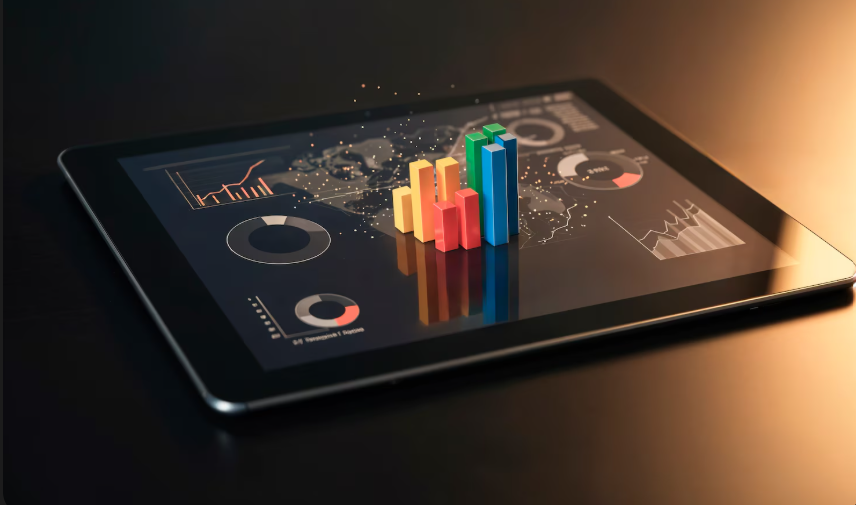
Footfall statistics are helpful, but they’re far more impactful when transformed into insights. This is where analytics software for retail comes in. It processes raw data from traffic sensors and converts it into readable statistics through the use of dashboards, charts, heatmaps and automated reports.
Retailers can analyze:
1. Conversion rates (visits vs. purchases)
2. Performance of specific store zones
3. Interest in certain categories of product by customers
4. Trend during promotion or sale.
5. Seasonal and weekly shopping trends
This information assists store managers and decision-makers to learn what’s working well and where improvement is needed.
Enhancing Sales Performance through Analytically driven Decisions
It allows retailers to make real-time changes that impact sales. This is how merging traffic counter data with analytics software for retail can help improve sales performance:
Optimizing Product Placement
Knowing where the zones that receive the most traffic are, retailers can strategically position high-margin items in these high-visibility spots to get shoppers to open their wallets.
Enhancing the Store Layout
If certain aisles or areas go unattended, shop owners can move displays around, or even shift the store layout based on footfall patterns to entice more exploration.
Improving Staff Allocation
Traffic insights inform how much staffing you need at any given moment. Minor peaks or even very specific hours when staff should be available enhance the overall customer experience and can result in higher conversion rates.
Evaluating In-Store Marketing Efforts
If a promotional display is installed in a crowded location, but does not lead to increased engagement or sales, deploying data analytics software can help you figure out what went wrong and inform adjustments.
Reducing Customer Friction
Long lines, crowded aisles or mismanaged checkout areas can eat away at customer contentment. Footfall data assists retailers identify these pain points and react to them fast.
Examples of Real-World Applications
Adding the traffic counter with analytics software for retail is changing how a number of retail sectors operate:
Grocery stores: Examining aisle efficiencies to optimize product adjacencies.
Fashion Retailers: Knowing the use of Fitting rooms and the customer’s journey.
Electronics Stores: Determining the specific product demos that engage best.
Home & Furniture Stores: Mapping more extended paths from customers over extensive sections.
Malls: Regulating the flow of footfall and maximizing the performance of vendors.
In each of these instances, insights are used to drive operational efficiencies and create more sales opportunities for retailers.
Predictive Insights for Future Planning
One of the stands out benefits of analytics software for retail is predictive ability. With historical foot fall data in the form of traffic counters, retailers can predict:
1. Peak seasons
2. Daily footfall trends
3. Demand shifts
4. Staffing requirements
5. Product placement performance
This predictive capability enables retailers to plan more effectively and take a lead in competitive markets.
Conclusion
Traffic counter is among one of the most powerful yet negligent retail resources. And with the support of a traffic counter and analytics software for retail, retailers can productize these figures into actionable reforms that drive store layout changes, improve customer experiences, maximize workforce productivity… all towards driving sales results.
By adopting a data-centric approach, retailers have the potential to change every customer visit into one with greater odds of success—and long-term viability.
FAQs
1. What is a traffic counter and how does it increase sales?
It delivers footfall and movement data that enables retailers to fine tune store layout, product positioning, and staffing—resulting in greater conversions.
2. What role does analytics software for retail play?
It looks at customer behavior data and changes that into actionable insights that drive both operational as well as strategic decision making.
Footfall data can help boost marketing performance, new research has suggested.
Yes. Retailers can track how customers are interacting with their store to determine if a promotion is working and optimize their campaign as they go.
3. Does this technology suit small stores?
Absolutely. Even mini-stores can gain from it by learning their customers’ behavior and by optimizing their layout or operations.
4. Are traffic counters accurate?
Today’s traffic counters use AI and video analytics, which are extremely accurate and deliver footfall data in real time.