From Traffic to Profit: Using Footfall Counters to Improve Retail Store KPIs in Real-Time
Every retailer wants higher profits. Most focus on driving sales, optimizing promotions, or reducing costs. But what if your biggest opportunity is right at your front door?
In 2025, smart retailers know that every visitor who walks in holds potential revenue. Yet many businesses still don’t track their most basic performance driver: store traffic. That’s where a footfall counter becomes your secret weapon.
When paired with your Retail store kpis, foot traffic data transforms from a passive number into an active profit lever. You’re no longer guessing whether your sales are “good” or “bad”, you’ll know exactly how traffic affects revenue, staff productivity, and marketing results in real time.
Why Retail Store KPIs Still Matter in a High-Tech World
The retail industry is evolving fast, and AI, omnichannel selling, and personalization dominate the conversation. But at the end of the day, brick-and-mortar success still comes down to clear performance metrics.
Your Retail store kpis, like sales per visitor, conversion rate, and labor cost efficiency, help answer the real questions:
- Are your stores staffed correctly for peak hours?
- Are your marketing campaigns bringing in new shoppers?
- Are your stores converting browsers into buyers?
Without a store traffic counter, these metrics only tell half the story. You know what’s selling, but not how many people walked in without buying.
How Footfall Counters Help Retailers Make Smarter Decisions
Track Real Conversion Rates
You can’t measure conversion without knowing foot traffic. A footfall counter gives you real visitor counts, helping calculate how effectively your team turns shoppers into customers.
Optimize Staff Schedules
By tracking busy and slow periods, you can schedule the right number of employees at the right time. This optimizes labor costs, one of your most important Retail store kpis.
Improve Store Layout & Merchandising
Modern foot traffic tracking tools create heatmaps showing where shoppers linger. Place best-selling products in high-traffic zones to increase revenue per visit.
Footfall Counters in 2025: More Than Just a Tally
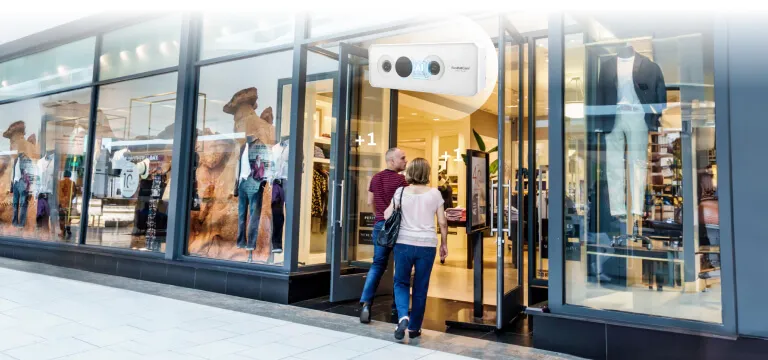
Today’s store traffic counter isn’t the basic beam sensor you remember. The 2025 versions include:
- AI-Enhanced Accuracy: Separate employees and couriers from real shoppers.
- Real-Time Dashboards: Access live traffic reports from your phone.
- Predictive Insights: Forecast visitor patterns based on weather, holidays, and historical data.
- Privacy-Compliant Technology: Capture insights without compromising your customers’ trust.
Together, these tools help retailers make smarter, faster adjustments, sometimes within the same business day.
Aligning Footfall Data with Retail Store KPIs
When used in isolation, traffic data is just a number. But when combined with your retail store kpis, it becomes powerful insight.
For example:
- If your sales stayed flat but traffic increased, your conversion rate fell. Time to look at staff training.
- If your payroll costs jumped but visitor numbers dropped, you’re likely overstaffed.
- If a weekend campaign boosted traffic but didn’t improve sales, maybe your store experience fell short.
This is where visitor tracking stops being a report and becomes a profit strategy.
Real-Time Decision Making: Why Timing Matters
Traditional KPI reporting happens weekly or monthly. But by the time you identify a drop in sales or a spike in staffing costs, the opportunity to fix it has passed.
Modern store traffic counter systems update in real-time. If your store sees an unexpected lunchtime rush, you’ll know to call in backup staff immediately. If traffic plummets after a local event ends, you’ll save costs by sending staff home.
This real-time responsiveness turns your Retail store kpis from passive measurements into active management tools.
What Happens If You Ignore Footfall Data?
Without tracking traffic, retailers fall into costly traps:
- Overstaffing slow periods, wasting thousands in labor.
- Missing sales opportunities during peak traffic because no one’s on the floor.
- Spending on marketing campaigns that drive no meaningful foot traffic.
- Failing to spot declines in visitor engagement before they hurt sales.
In a competitive retail environment, guessing isn’t a strategy. Measuring your traffic flow is.
Conclusion: Every Visitor Counts Toward Profit
Your store traffic counter might not be the flashiest tool in your retail tech stack, but it quietly fuels smarter decisions.
From staffing to store layout to marketing ROI, understanding your traffic flow is the first step toward maximizing profit. Paired with real-time Retail store kpis, footfall data ensures you’re managing what matters most.
If you’re not using traffic insights to drive your business in 2025, you’re leaving sales and profits, on the table.
FAQs:
Q1: How does a footfall counter help improve store KPIs?
It tracks how many people visit your store, providing the baseline for calculating conversion rates, optimizing labor, and measuring marketing success.
Q2: Can these systems tell staff apart from real customers?
Yes. Today’s foot traffic tracking tools use AI to filter out staff, delivery people, and other non-shopping visitors, giving you clearer insights into customer behavior.
Q3: How does real-time traffic data improve staffing?
By tracking when your store is busiest, managers can adjust schedules in real time. This helps improve labor cost efficiency, a core retail performance metric.
Q4: Is visitor tracking affordable for small retailers?
Absolutely. Cloud-based visitor tracking solutions are now scalable and affordable for retailers of all sizes, delivering fast ROI by improving staffing and sales outcomes.
Q5: How often should you review foot traffic data alongside your retail KPIs?
Ideally, managers should check visitor trends daily and compare them weekly to sales and staffing data. This allows for fast, data-driven decisions on the fly.